



Kaski, Oct 1: The Annapurna Rural Municipality here has raised, from the Annapurna Base Camp (ABC), the voice for justifiably addressing the increasing risk in the mountain region posed by the climate change.

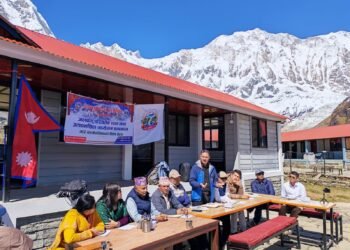
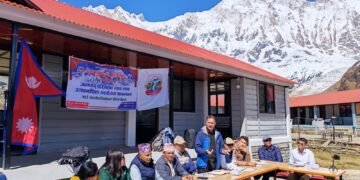
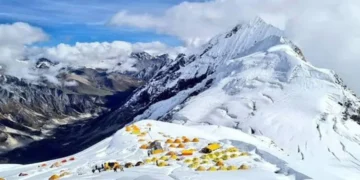
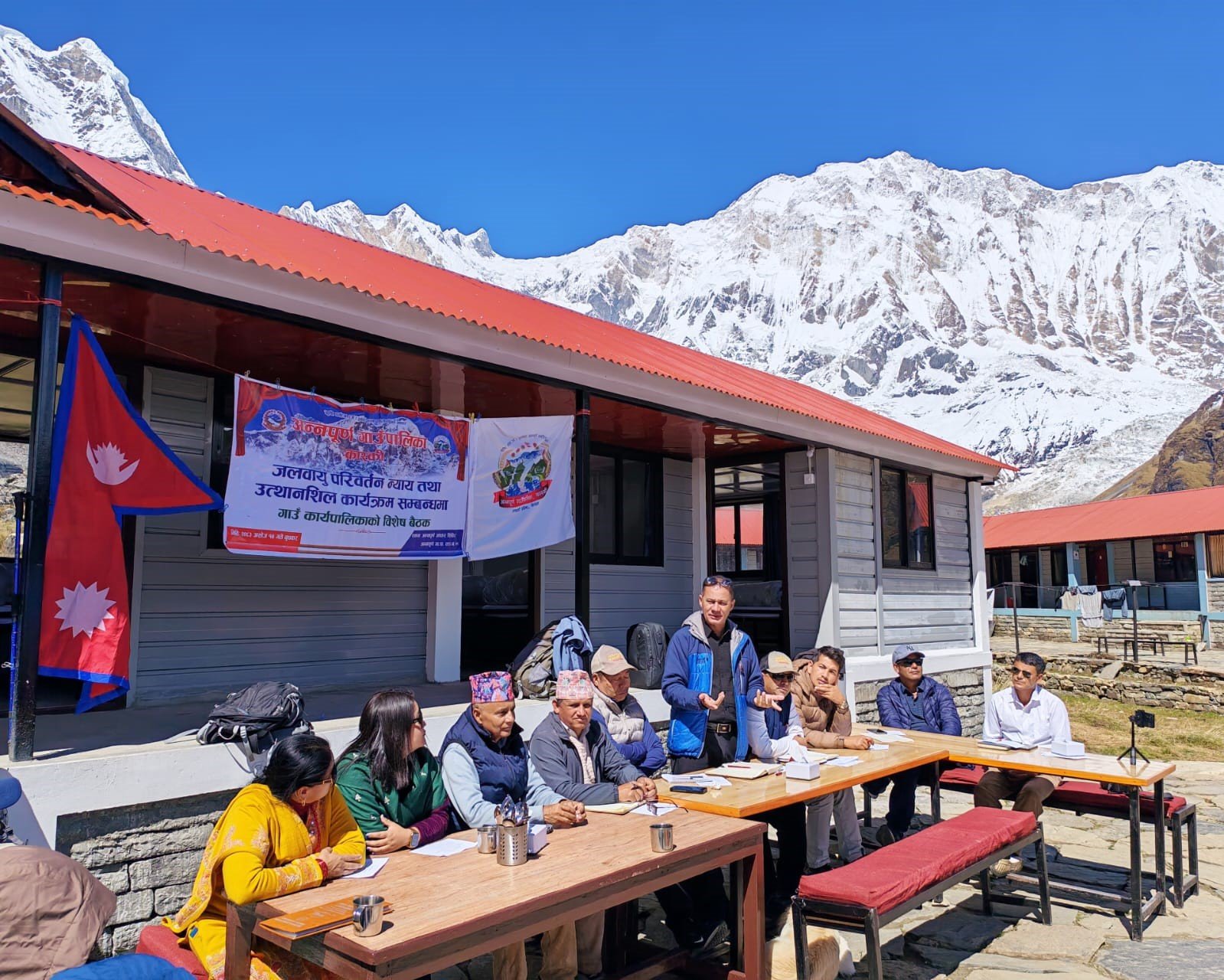
This year, the rural municipality, which suffered heavy damage from floods, landslides, and river erosion during the monsoon, held a special village executive meeting on Wednesday at ABC, a Himalayan and tourist destination located at an altitude of 4,130 meters.
The rural municipality chairperson Bishnu Bahadur KC informed that a special meeting was organized to draw attention to the problems seen in the mountainous areas due to climate change, and also to climate justice, the protection of the mountainous region, and enhancing the resilience of the local community to climate stressors.
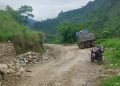
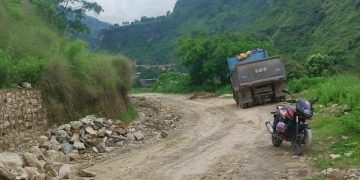
The floods that repeatedly occurred in the Modikhola and Kimrung Khola streams in Annapurna during the months of August and September have damaged infrastructure like hotels and roads, and Birethanti and Syauli Bazar are at risk. After the floods washed away the paved road, the direct road connection between the tourist village of Ghorepani and Pokhara was cut off for 40 days.
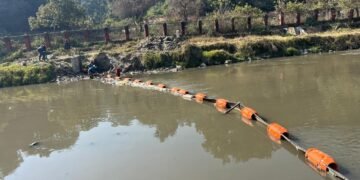
The full details of the damage suffered by the rural municipality from the disaster have not been collected yet. “This year’s monsoon has affected Annapurna Rural Municipality with floods, landslides, and river erosion. Especially, erosion from the Modi River has caused significant damage in various areas of the municipality. We have highlighted these impacts on local infrastructure, agriculture, transportation, tourism, and the daily lives of the local community to ABC,” said the rural municipality chairperson, KC.
According to him, the Annapurna region is a sensitive mountain area that is directly experiencing the effects of climate change. He mentioned that in recent years, the rise in temperature and changes in rainfall patterns have added challenges to the mountain ecosystem, biodiversity, glaciers and snowfields, water resources, agriculture, and local livelihoods.
Due to climate change, risks like floods, landslides, river erosion, and heavy rainfall are increasing, and the rural municipality concludes that dealing with them is not possible through the local level’s efforts alone.
The meeting pointed out need of necessary polices, technical support, adequate budget, access in climate finance, research and inter-governmental coordination from the federal and province governments for the same.
Chairperson KC shared that the voice of climate justice raised from Annapurna base camp is the matter connected with Himalayas, mountain communities, bio diversity, water resources and overall climate conservation, not only of Annapurna area.
The meeting decided to prepare Annapurna Climate Resilience Action Plan and incorporate in polices, planning and budget of the rural municipality by reviewing overall situation of climate change and disaster risk, available statistics and national and international priorities, mentioned Spokesperson of the Annapurna rural municipality, Bharat Man Gurung.
Similarly, a decision was also taken to prepare climate risk and vulnerability of all 11 wards of the rural municipality and utilize them in formulating risk sensitive plan and managing land use.
Spokesperson Gurung underlined that the meeting also decided to manage necessary study, partnership and budget arrangement to develop early warning and emergency communication system to make realty warning of climate-induced risks like rainfall, landslide and emergency communication effective.
The meeting took the decision of developing Climate Resilience Infrastructure criteria and Risk Examination System considering the climate and disaster risk in construction and management of public infrastructures including road, bridge, trekking route, drinking water, school, and health institutions.
Likewise, a decision was also taken to maintain regular record of losses and damages caused by climate-induced disasters, and gradually integrating the available data related to disaster, infrastructures, climate and tourism.